ephas
24 December 2025
ephas
24 December 2025
Raised garden beds are elevated planting structures that consist of framed enclosures filled with soil, positioned above ground level. These gardening systems have become increasingly popular among both beginning and experienced gardeners due to their practical advantages and versatility. These structures can be constructed using various materials including wood, stone, metal, or composite materials, and can be customized to accommodate different space requirements and design preferences.
The elevated design creates a controlled growing environment that typically measures between 6 to 12 inches in height, though some variations can be built higher for accessibility purposes. The primary function of raised garden beds is to provide improved growing conditions through better soil management, enhanced drainage, and increased control over the growing environment. This system allows gardeners to optimize soil composition, reduce compaction, and extend the growing season in many climates.
Additionally, raised beds can improve accessibility for maintenance tasks such as planting, weeding, and harvesting, while potentially increasing crop yields compared to traditional ground-level gardening methods.
Improved Soil Quality
One of the most significant advantages of raised garden beds is the ability to control soil quality. When we create a raised bed, we have the opportunity to fill it with a custom blend of soil that meets the specific needs of our plants. This means we can incorporate organic matter, compost, and other amendments that enhance fertility and promote healthy growth.
By starting with high-quality soil, we set the stage for our plants to thrive. Moreover, raised beds allow us to avoid the often poor native soil conditions that can hinder plant development. In many areas, soil may be compacted, rocky, or lacking in essential nutrients.
By building a raised garden bed, we can bypass these challenges and create an optimal growing environment. This not only leads to healthier plants but also reduces the likelihood of diseases and pests that thrive in poor soil conditions. As we nurture our plants in this enriched environment, we can enjoy the satisfaction of watching them flourish.
Better Drainage and Aeration
Another compelling reason to consider raised garden beds is their superior drainage and aeration capabilities. Traditional garden plots can suffer from waterlogging during heavy rains or inadequate drainage in clay-heavy soils. In contrast, raised beds elevate our plants above ground level, allowing excess water to drain away more effectively.
This is particularly beneficial for root health, as it prevents the roots from sitting in waterlogged conditions that can lead to rot. Additionally, the loose soil structure in raised beds promotes better aeration. When we fill our beds with a well-aerated mix of soil and organic matter, we create an environment where air can circulate freely around the roots.
This is crucial for healthy plant growth, as roots require oxygen to function properly. With improved drainage and aeration, we can cultivate a thriving garden that is less susceptible to issues related to overwatering or poor root development.
Reduced Weed Growth
Weeds can be a gardener’s worst nightmare, competing with our beloved plants for nutrients, water, and sunlight. However, raised garden beds can significantly reduce weed growth, making our gardening experience more enjoyable and less labor-intensive. The elevated structure of raised beds creates a barrier that makes it more challenging for weeds to take root.
Additionally, by filling our beds with high-quality soil and organic matter, we can minimize the presence of weed seeds. Furthermore, the controlled environment of raised beds allows us to implement effective weed management strategies. We can easily cover the soil with mulch or landscape fabric to suppress weed growth while still allowing our plants to thrive.
This proactive approach not only saves us time and effort but also ensures that our plants receive the resources they need without competition from unwanted weeds.
Easier Maintenance and Harvesting
One of the most appealing aspects of raised garden beds is the ease of maintenance they offer. The elevated height of these beds means that we no longer have to bend down or kneel on the ground to tend to our plants. This ergonomic advantage makes it easier for us to weed, water, and prune our plants without straining our backs or knees.
As we age or if we have physical limitations, this feature becomes even more valuable. Harvesting from raised beds is also a breeze. The height allows us to reach our crops without difficulty, reducing the risk of damaging plants while trying to gather produce.
Whether we’re picking ripe tomatoes or pulling up carrots, the convenience of raised beds enhances our overall gardening experience. With less physical strain and more accessible harvesting, we can focus on enjoying the fruits of our labor rather than dreading the maintenance tasks.
Accessibility for Gardeners
Accessibility is a crucial consideration for many gardeners, especially those with mobility challenges or physical limitations. Raised garden beds provide an ideal solution by allowing us to create gardens that are easy to navigate and maintain. We can design these beds at various heights to accommodate wheelchairs or standing gardeners, ensuring that everyone can participate in the joy of gardening.
In addition to height adjustments, we can also design pathways between raised beds that are wide enough for easy access. This thoughtful layout not only enhances accessibility but also creates a welcoming environment for family and friends who may want to join us in our gardening endeavors. By prioritizing accessibility in our garden design, we foster inclusivity and encourage a shared love for nature and growing food.
Extended Growing Season
Raised garden beds can also contribute to an extended growing season, allowing us to maximize our gardening potential throughout the year. The elevated structure of these beds warms up more quickly in the spring compared to traditional garden plots. This means that we can plant earlier in the season and enjoy a longer harvest period for our crops.
Additionally, during cooler months, we can use row covers or cold frames over our raised beds to protect our plants from frost and extend their growing time even further. This flexibility enables us to experiment with different crops and varieties that may not thrive in standard garden settings. By taking advantage of the extended growing season offered by raised beds, we can enjoy fresh produce for a more extended period while honing our gardening skills.
Pest and Disease Control
Pest management is an ongoing challenge for gardeners everywhere. However, raised garden beds can help mitigate some of these issues by providing a more controlled environment for our plants. The elevation of these beds makes it more difficult for certain pests to access our crops compared to traditional ground-level gardens.
Additionally, we can implement various pest control strategies more effectively within a raised bed system. For instance, we can easily install barriers such as netting or row covers to protect our plants from insects while still allowing sunlight and rain to reach them. Furthermore, by practicing crop rotation within our raised beds, we can reduce the risk of disease buildup in the soil and keep pests at bay.
With these proactive measures in place, we can cultivate a healthier garden ecosystem that minimizes pest-related challenges.
Space Optimization
In today’s world where space is often at a premium, raised garden beds offer an excellent solution for optimizing our gardening areas. Whether we have a small backyard or a balcony, these elevated plots allow us to make the most of limited space by providing vertical growing opportunities. We can stack multiple layers or use trellises within our raised beds to grow climbing plants like beans or cucumbers.
Moreover, by organizing our plants in raised beds, we can create a more efficient layout that maximizes sunlight exposure and minimizes shading from neighboring plants. This thoughtful arrangement not only enhances plant growth but also allows us to grow a diverse range of crops in a compact area. As we embrace space optimization through raised garden beds, we unlock new possibilities for urban gardening and sustainable food production.
Aesthetic Appeal
Beyond their practical benefits, raised garden beds also add significant aesthetic appeal to our outdoor spaces. These structures come in various designs and materials that can complement any landscape style—from rustic wooden frames to sleek metal designs. By incorporating raised beds into our gardens, we create visually striking focal points that enhance the overall beauty of our surroundings.
Additionally, we have the opportunity to personalize our raised beds with decorative elements such as painted finishes or built-in seating areas. This creative expression allows us to showcase our unique gardening style while inviting others to appreciate the beauty of nature in our own backyards. As we cultivate both plants and aesthetics through raised garden beds, we foster an environment that inspires joy and connection with nature.
Environmental Benefits
Finally, raised garden beds contribute positively to environmental sustainability in several ways. By creating localized growing spaces, we reduce the need for transportation associated with store-bought produce, thereby lowering carbon emissions linked to food distribution. Additionally, when we fill our raised beds with organic materials and compost, we promote healthy soil ecosystems that support beneficial microorganisms and insects.
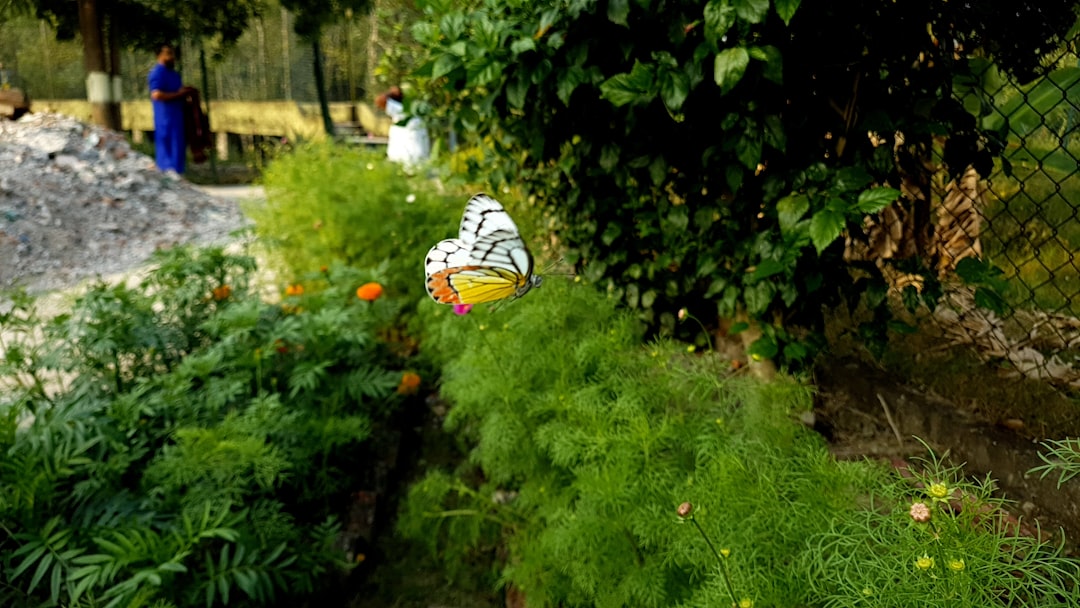
Furthermore, raised garden beds encourage biodiversity by providing habitats for pollinators like bees and butterflies. By planting a variety of flowers alongside our vegetables and herbs within these elevated structures, we create an inviting environment for these essential creatures while enhancing pollination rates for our crops. As we embrace the environmental benefits of raised garden beds, we take meaningful steps toward fostering a more sustainable future for ourselves and generations to come.
In conclusion, as we explore the myriad advantages of raised garden beds—from improved soil quality and better drainage to enhanced accessibility and aesthetic appeal—we recognize their transformative potential in our gardening practices. By adopting this innovative approach, we not only cultivate healthier plants but also create inclusive spaces that inspire joy and connection with nature while contributing positively to the environment around us.
Raised garden beds offer numerous benefits, including improved soil quality, better drainage, and easier access for gardening tasks. For those looking to enhance their gardening experience further, you might find the article on More Fruit and Vegetables Each Day particularly insightful. It discusses how to maximize your garden’s yield, complementing the advantages of using raised beds to grow a variety of produce.