ephas
16 December 2025
ephas
16 December 2025
Companion planting is an agricultural practice that involves growing different plant species in close proximity to achieve specific benefits such as enhanced growth, natural pest control, and improved soil health. This traditional farming method utilizes the natural interactions between plants to create mutually beneficial relationships within garden ecosystems. The fundamental principle of companion planting relies on the biological and chemical interactions between different plant species.
These interactions can manifest through various mechanisms, including nutrient sharing through root systems, the release of natural compounds that repel harmful insects, physical support structures, and microclimate modification through shade provision. Research has demonstrated that certain plant combinations can increase crop yields, reduce the need for chemical pesticides, and optimize space utilization in garden settings. Scientific studies have identified numerous successful companion planting combinations.
For example, the “Three Sisters” method practiced by Native American tribes combines corn, beans, and squash, where corn provides structural support for beans, beans fix nitrogen in the soil for all three plants, and squash leaves create ground cover that retains moisture and suppresses weeds. Similarly, planting marigolds near tomatoes has been shown to reduce nematode populations in soil, while basil planted alongside tomatoes may improve flavor and deter certain flying insects.
Understanding the Benefits of Companion Planting
The benefits of companion planting extend far beyond mere aesthetics; they encompass a range of ecological advantages that can significantly enhance our gardening experience. One of the primary benefits is pest control. Certain plants naturally repel pests that might otherwise wreak havoc on our crops.
For instance, marigolds are known to deter nematodes and other harmful insects, making them an excellent companion for vegetables like tomatoes and peppers. By incorporating these natural pest deterrents into our gardens, we can reduce our reliance on chemical pesticides, promoting a healthier environment for both our plants and local wildlife. In addition to pest control, companion planting can also improve soil health and nutrient availability.
Some plants, such as legumes, have the unique ability to fix nitrogen in the soil, enriching it for neighboring plants that may require additional nutrients. This symbiotic relationship not only boosts plant growth but also fosters a more sustainable gardening practice. By understanding these benefits, we can make informed decisions about which plants to pair together, ultimately leading to a more productive and resilient garden.
The Basics of Companion Planting: How to Get Started
Getting started with companion planting requires a bit of planning and research, but the rewards are well worth the effort. First, we should familiarize ourselves with the basic principles of companion planting. This involves understanding which plants thrive together and which ones may compete for resources or inhibit each other’s growth.
A good starting point is to create a list of plants we want to grow and then research their compatibility with one another. There are numerous resources available, including books and online databases, that provide valuable information on plant pairings. Once we have a clear understanding of compatible plants, we can begin designing our garden layout.
It’s essential to consider factors such as sunlight, water requirements, and growth habits when planning our companion planting scheme. For example, taller plants can provide shade for shorter ones, while sprawling plants can act as ground cover to suppress weeds. By thoughtfully arranging our garden beds, we can maximize space and ensure that each plant receives the conditions it needs to thrive.
Popular Companion Planting Combinations
As we explore popular companion planting combinations, we discover a wealth of options that can enhance our gardens’ productivity and health. One classic pairing is tomatoes and basil. Not only does basil improve the flavor of tomatoes, but it also helps repel pests like aphids and whiteflies.
This combination is a favorite among gardeners and chefs alike, as it brings both culinary and ecological benefits to the table. Another well-known duo is carrots and onions. These two vegetables complement each other by repelling pests that target one another.
Carrots benefit from the presence of onions, which deter carrot flies, while onions thrive alongside carrots without competing for nutrients. By incorporating these combinations into our gardens, we can create a diverse ecosystem that supports healthy growth and minimizes pest issues.
Companion Planting for Pest Control
One of the most compelling reasons to embrace companion planting is its effectiveness in pest control. By strategically pairing plants that repel harmful insects with those that are susceptible to pest damage, we can create a natural defense system within our gardens. For instance, planting garlic near roses can help ward off aphids and other pests that threaten these beautiful blooms.
Similarly, nasturtiums are known to attract aphids away from more vulnerable plants like cucumbers and squash. In addition to repelling pests, some companion plants can attract beneficial insects that prey on harmful pests. For example, planting dill or fennel can attract ladybugs and lacewings, both of which are natural predators of aphids.
By fostering an environment that encourages beneficial insects to thrive, we can create a balanced ecosystem that minimizes pest problems while promoting healthy plant growth.
Companion Planting for Soil Health and Nutrient Exchange
Soil health is a critical component of successful gardening, and companion planting plays a vital role in enhancing soil quality and nutrient exchange. Certain plants have unique abilities to improve soil conditions through their root systems or by fixing nitrogen in the soil. For example, legumes such as peas and beans have symbiotic relationships with nitrogen-fixing bacteria that enrich the soil with this essential nutrient.
When planted alongside nitrogen-hungry crops like corn or leafy greens, legumes can significantly boost overall plant health. Moreover, deep-rooted plants can help break up compacted soil layers, allowing for better water infiltration and root development for neighboring plants. For instance, planting deep-rooted crops like carrots or parsnips alongside shallow-rooted crops like lettuce or radishes can create a more dynamic soil structure.
This not only improves nutrient availability but also promotes healthier root systems for all plants involved.
Companion Planting for Maximizing Space and Yield
In today’s world of urban gardening and limited space, maximizing yield is a priority for many of us. Companion planting offers an effective solution by allowing us to grow more in less space through strategic plant pairings. By interplanting crops with different growth habits or harvest times, we can optimize our garden layout for maximum productivity.
For example, pairing fast-growing crops like radishes with slower-growing crops like broccoli allows us to utilize space efficiently while ensuring that both crops thrive. Vertical gardening is another technique that complements companion planting beautifully. By growing climbing plants such as peas or beans alongside sturdy supports like trellises or fences, we can free up ground space for other crops while increasing overall yield.
This method not only maximizes our garden’s potential but also creates an aesthetically pleasing environment filled with diverse plant life.
Common Mistakes to Avoid in Companion Planting
While companion planting offers numerous benefits, there are common mistakes that we should be mindful of to ensure success in our gardens. One frequent error is failing to research plant compatibility thoroughly. Not all plants thrive together; some may compete for resources or even inhibit each other’s growth through allelopathy—the release of chemicals that negatively affect neighboring plants.
To avoid this pitfall, we should take the time to understand which plants work well together before making our selections. Another mistake is overcrowding plants in an attempt to maximize space or yield. While it may be tempting to plant as many crops as possible in a small area, overcrowding can lead to poor air circulation and increased competition for nutrients and water.
This can ultimately result in stunted growth or disease issues. Instead, we should focus on providing adequate spacing between plants to allow them room to grow while still benefiting from their companion relationships.
Companion Planting for Flower and Vegetable Gardens
Companion planting is not limited to vegetable gardens; it can also enhance flower gardens by creating vibrant ecosystems that support both ornamental and edible plants. By incorporating flowering plants alongside vegetables, we can attract pollinators and beneficial insects while adding beauty to our gardens. For instance, planting sunflowers near tomatoes not only provides visual appeal but also attracts bees that help with pollination.
Additionally, certain flowers can serve as natural pest deterrents when planted among vegetables. Marigolds are a prime example; their bright blooms not only add color but also repel nematodes and other harmful insects from nearby crops. By thoughtfully integrating flowers into our vegetable gardens, we can create a diverse landscape that supports both aesthetics and functionality.
The Role of Pollinators in Companion Planting
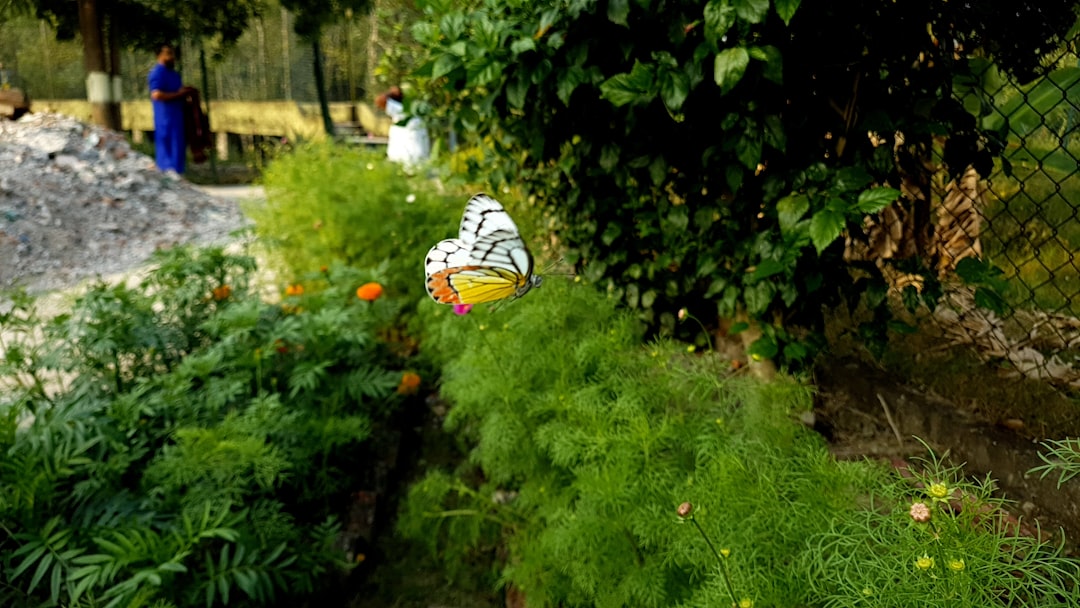
Pollinators play an essential role in the success of companion planting by facilitating the reproduction of flowering plants and ensuring healthy fruit set in vegetables. As we cultivate our gardens with companion planting in mind, it’s crucial to consider how we can attract and support pollinators such as bees, butterflies, and hummingbirds. Planting a variety of flowering species that bloom at different times throughout the growing season will provide a continuous food source for these vital creatures.
In addition to selecting pollinator-friendly flowers, we should also create habitats that encourage pollinator activity in our gardens. This might include leaving some areas wild with native plants or providing nesting sites for solitary bees. By fostering an environment that supports pollinators, we not only enhance the productivity of our gardens but also contribute to the overall health of local ecosystems.
Experimenting with Companion Planting: Tips and Tricks for Success
As we embark on our journey into companion planting, experimentation is key to discovering what works best in our unique gardening environments. Each garden presents its own set of challenges and opportunities based on factors such as climate, soil type, and available space. We should approach companion planting with an open mind and a willingness to try new combinations of plants.
Keeping detailed records of our plant pairings and their outcomes will help us learn from our experiences over time. Noting which combinations thrived or struggled will provide valuable insights for future gardening endeavors. Additionally, engaging with local gardening communities or online forums can offer inspiration and advice from fellow gardeners who have successfully navigated the world of companion planting.
In conclusion, companion planting is a powerful tool that allows us to cultivate thriving gardens while promoting ecological balance and sustainability. By understanding its principles and benefits, we can create harmonious plant relationships that enhance growth, deter pests, improve soil health, maximize space, and support pollinators—all while enjoying the beauty of diverse plant life in our gardens.
Companion planting is a fascinating gardening technique that can enhance plant growth and deter pests. For those interested in specific herbs that thrive in companion planting, you might find the article on ephas.com.au/growing-mint-in-perth/’>growing mint in Perth particularly useful. Mint is known for its ability to repel certain pests and can be a great companion for various vegetables and herbs, making it a valuable addition to your garden.